

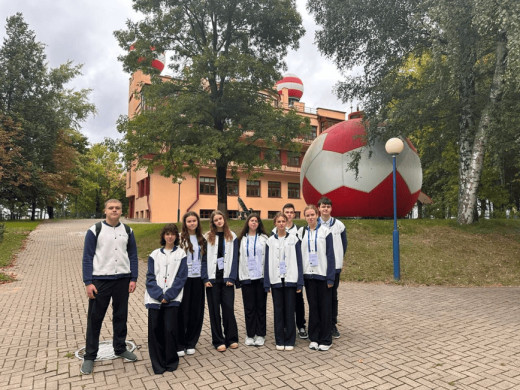
On 11 September, an excursion was held at Belhydromet for students of the Educational Institution “National Children’s Technopark” who are studying in the educational field “Natural Resources.”
The visit programme began at the “Minsk” meteorological station. The students saw the design of an automatic meteorological station and learned about the principles of its operation and the purpose of meteorological sensors and instruments.
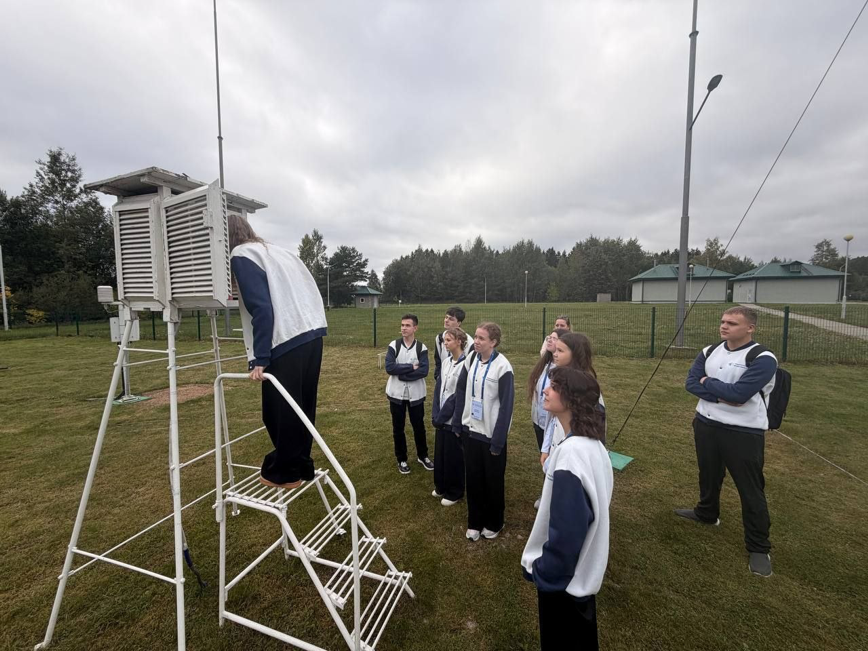
At the workplace of the duty meteorologist-technician, the schoolchildren became acquainted with the daily work of a meteorologist — the procedure for collecting, analysing, and processing information, compiling synoptic and storm telegrams, and transmitting meteorological data to the centre for collection and processing of information.
The excursion continued in the Belhydromet museum.
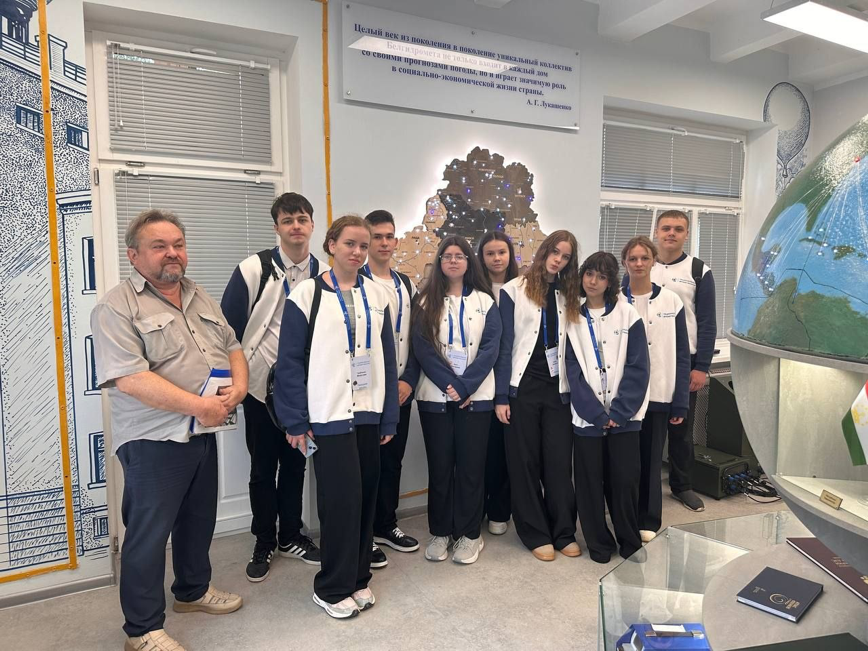
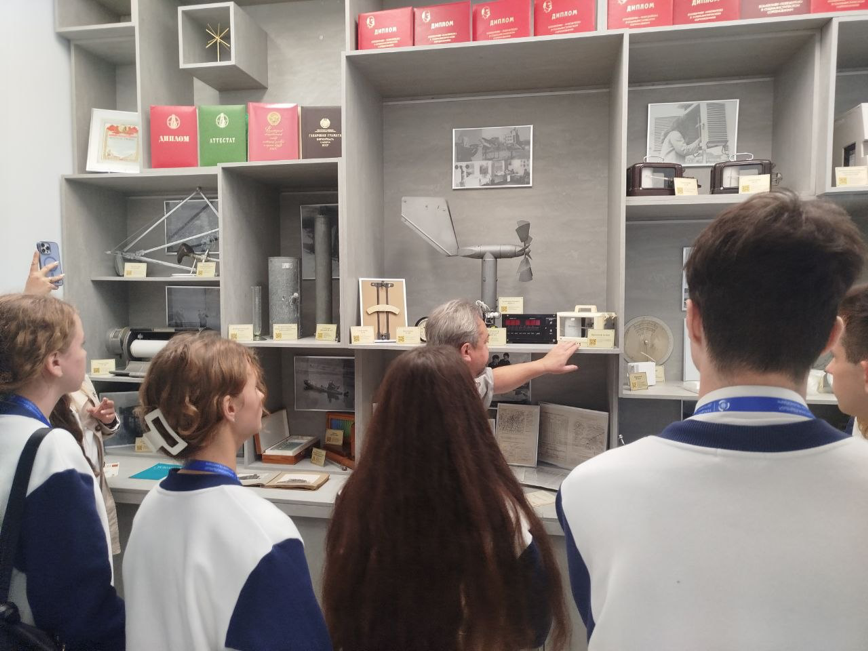
The students learned about the functioning of the state network of hydrometeorological observations of the Republic of Belarus and the means of measuring hydrometeorological parameters. The museum part concluded with an interactive quiz on meteorology.
After visiting the Belhydromet museum, the group continued their acquaintance with advanced meteorological technologies, heading to the Doppler meteorological radar. This modern complex is a powerful tool for monitoring atmospheric phenomena. Becoming acquainted with the Doppler meteorological radar allowed the students to gain a deeper understanding of modern methods of meteorological observation and forecasting.
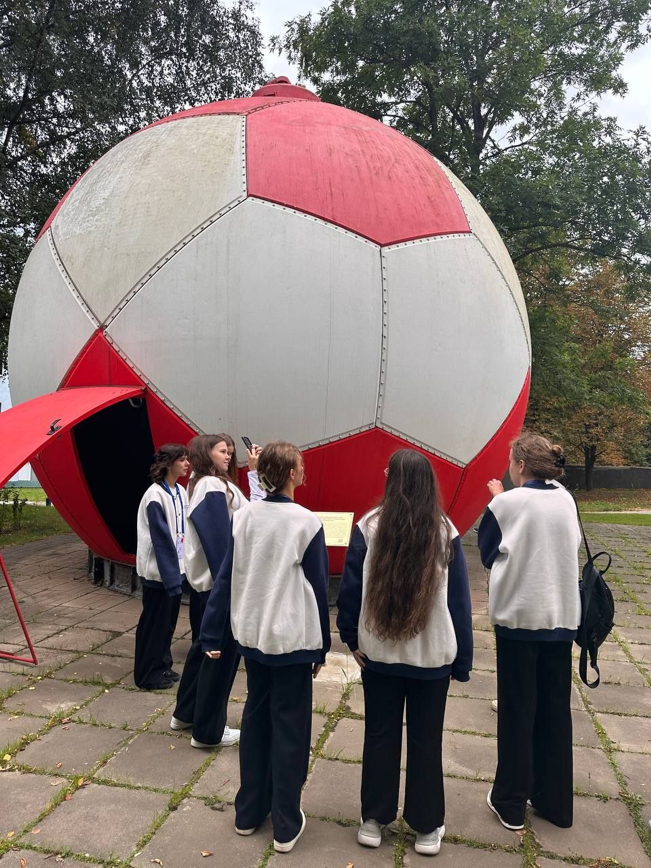
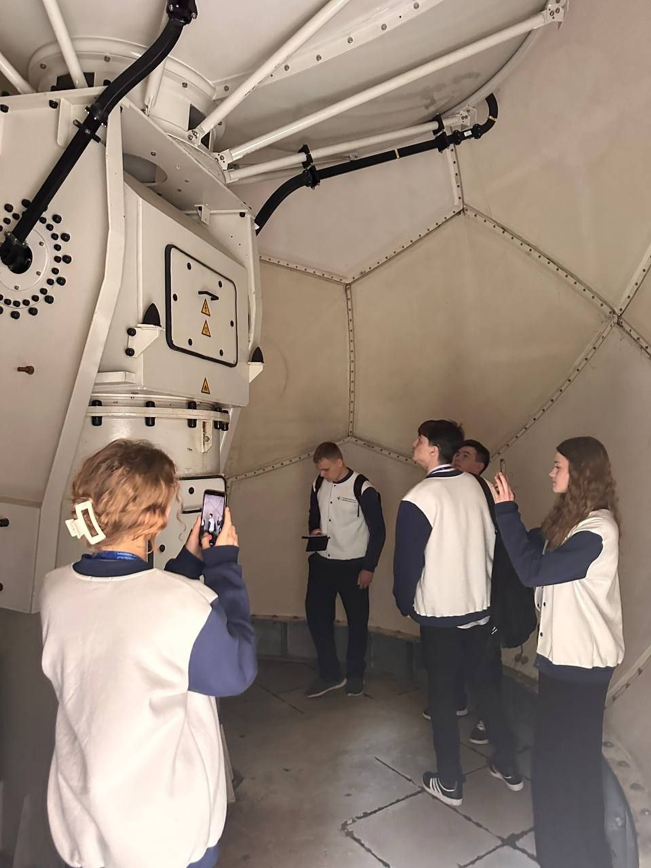
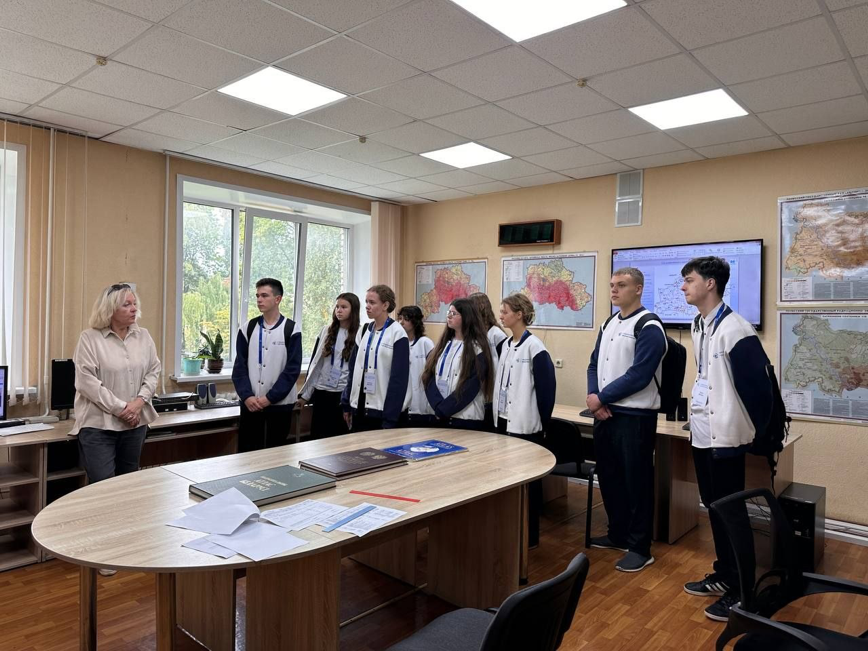
The group was then accompanied to the Department of Operational Data of Radiation Control and Emergency Situation Monitoring of the Radiation Monitoring Service. The Head of the Department told the students about how radiation monitoring is carried out in the Republic of Belarus, its importance, and its role in ensuring the safety of the population.
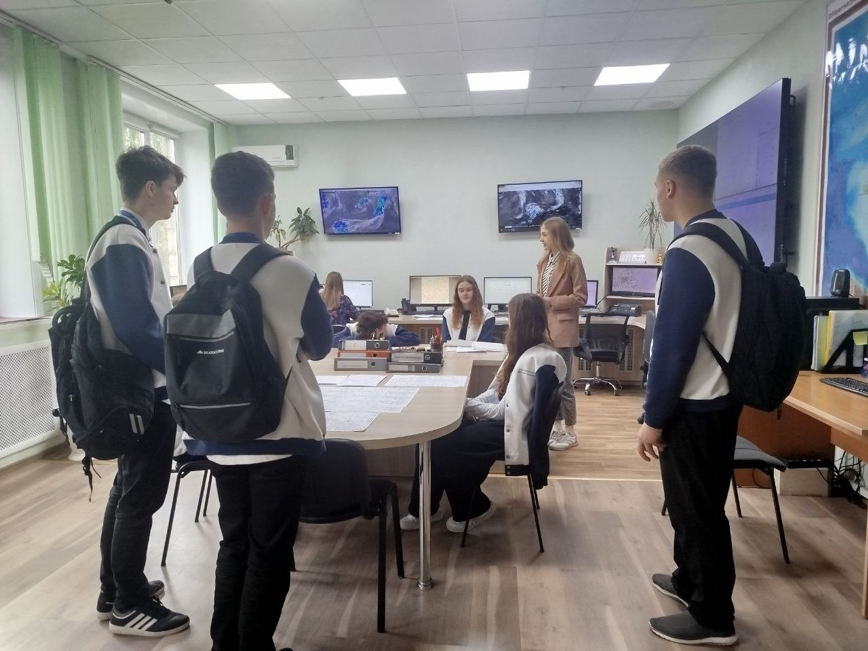
The final stage was a visit to the Department of Short-Term Weather Forecasts, Adverse and Dangerous Phenomena of the Meteorological Forecasting Service. The Deputy Head of the Service introduced the students to the procedure for analysing and processing operational information and demonstrated synoptic maps. The students learned about computational methods for forecasting meteorological elements and the monitoring of hydrometeorological, satellite, radar, and storm information. Particular attention was paid to the methods and procedure for compiling weather forecasts and warnings about dangerous and adverse hydrometeorological phenomena, as well as the channels for conveying this information — through the websites pogoda.by and belgidromet.by, social networks, and the mobile application “Pogoda v karmane.”
Belhydromet thanks the students of the National Children’s Technopark for their interest and wishes them success in studying natural resources!
© Belhydromet, 2016-2026